








































“The team at Advantage Media truly feels like an extension of our staff. The collaboration, idea-sharing, and dedication from their team is incredible. Their years of experience, coupled with their willingness to try new ideas, help us maximize our advertising efforts to their fullest potential.”

“We were using a local newspaper for our digital advertising, but we just did not see the results. We gave the same budget to Advantage Media & Digital, and our YTD sales increased over 30%.”
“The number of qualified clients that we have increased over the past year has been amazing. Advantage Media & Digital have been able to reach our target and help our dental practice by over 1 million dollars from year to year.”

“Advantage Media & Digital is able to target a very hard demo to reach - African American moms, with kids who are 5 - 8 years old and within a radius of all our state-wide campuses. They are able to deliver our message to their phones. Without this type of marketing, we would not be able to reach our enrollment goals.”

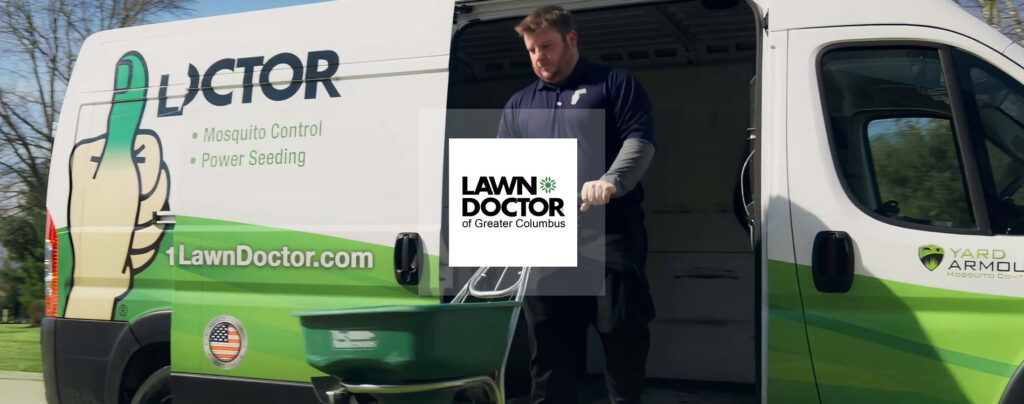
"We have been working with Advantage Media for the first time, and they have done a great job providing recommendations on advertising. They have produced three YouTube commercials for Lawn Doctor that are doing very well and generating leads. We plan to expand our investment with them in 2026 to help us continue to grow. Advantage is responsive, attentive, and thorough. We are looking forward to continued growth with Advantage by our side."
“Working with Advantage was a great experience – they were very responsive, transparent, creative and professional. Their ability to offer tailored strategies to meet our clients’ unique needs (9 counties requesting different media options) was impressive. Their existing partnerships in every county we worked with truly showcased their reach and strong relationships across Ohio. It truly felt like working with family.
How AI Is Changing Automotive Marketing for Dealerships
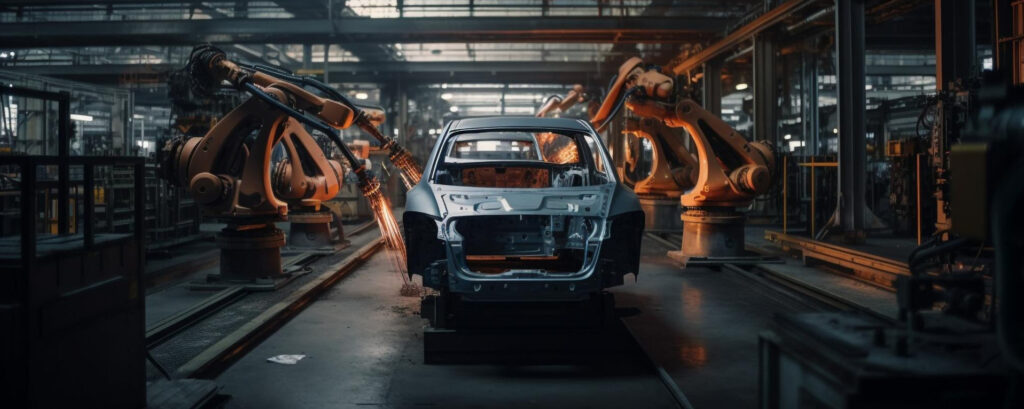
The automotive industry has always been built on trust, timing, and the ability to connect the right message with the right buyer. What is changing now – and changing fast – is how dealerships build that trust, identify that timing, and deliver that message. Artificial intelligence and marketing automation are no longer future-facing concepts. They are already reshaping how dealerships attract leads, move inventory, and close sales. At Advantage Media & Digital, we work with automotive clients across Central Ohio and beyond, and what we are seeing in the field reflects what the data continues to confirm nationally: dealerships that embrace intelligent marketing tools are moving ahead, while those that hesitate are losing ground without realizing it. Here is what every dealer principal, marketing director, and general manager needs to understand about the AI shift underway – and how to use it to win. The Numbers Don’t Lie The pace of adoption is hard to ignore. According to a 2025 Cox Automotive study, dealers using AI and automation are twice as efficient and nearly twice as profitable as peers who have not adopted these tools. A separate industry analysis found that 55% of dealerships using AI reported a 10 to 30% revenue increase in just the first half of 2025. AI-enabled dealerships are also seeing stronger sales outcomes across the board: 27% higher showroom appointment set rates, a 26% improvement in lead-to-sale conversion, and a 24% increase in customer repurchase rates compared to dealerships not using AI tools. This is not a theory about where the market is headed. It is already happening inside dealerships that are competing for the same customers you are. What AI Actually Looks Like on the Showroom Floor and Online Forget the sci-fi version of AI. In automotive retail, it shows up in practical, revenue-driving ways. Smarter Lead Management Sales teams used to spend hours manually sorting leads and guessing who was ready to buy. AI-powered lead scoring analyzes behavior, engagement history, and purchase signals to surface the hottest prospects automatically – so your team can spend more time closing and less time chasing. Dynamic Inventory and Pricing AI tools can now adjust vehicle pricing in real time based on local demand, competitor pricing, seasonal trends, and how long specific models have been on the lot. Predictive models can also forecast which vehicles are likely to move quickly and which ones need a different strategy, helping dealerships stock smarter instead of harder. Personalized Website Experiences When a shopper visits your website, AI can tailor what they see based on browsing behavior, search history, and purchase signals. A first-time visitor researching trucks should not see the same experience as a returning customer checking service offers. Personalization at this level used to be a luxury. Now it is table stakes. 24/7 AI-Powered Engagement According to a 2025 Cox Automotive readiness study, 52% of franchise dealers are already using AI to engage customers around the clock through real-time text, chat, and email. Virtual assistants powered by generative AI can answer questions, schedule appointments, and keep deals moving – even at 11pm on a Sunday. AI-Driven Marketing Automation Automated follow-ups, targeted ad campaigns, and personalized email sequences are not just saving time – they are lifting conversion rates. Video follow-up campaigns, for example, boost engagement by as much as 70% and can meaningfully increase in-store visit rates. The Shift Buyers Are Already Making Here is something even more important: it is not just dealers using AI. Your customers are too. The inaugural Fullpath Auto Intelligence Index (2026) found that large language models – the technology behind tools like ChatGPT – are rapidly becoming a major referral source for car shoppers. Consumers are increasingly using AI to research vehicles, compare dealers, and even get preliminary purchase recommendations before they ever step onto a lot. Dealer website traffic was up 2.5% in 2025, and the average dealership is now processing over 2.1 million consumer data points annually – a 24% year-over-year increase. When used correctly, that data enables hyper-targeted marketing that meets buyers exactly where they are in their decision journey. If your dealership’s digital presence is not optimized to show up in these AI-driven research moments, you are invisible to a growing segment of your most ready-to-buy customers. The Marketing Angle: Where Agencies Like Ours Come In All of this AI capability is only as powerful as the marketing strategy behind it. Automation without direction is just noise. At Advantage Media & Digital, we help dealerships connect the dots between AI-powered tools and the campaigns, content, and media strategies that actually move metal. That means: Paid Search & SEM Built around intent signals and AI-surfaced audience data. Targeted Digital Advertising Uses first-party data to reach in-market buyers across platforms – not just anyone with a pulse. SEO Strategies Designed for today’s search environment, including AI search engines and local discovery. Video Production Fuels follow-up automation and builds brand trust at scale. Social Media Management Keeps your brand visible and your reputation strong throughout the buyer journey. Website Services Makes sure your digital storefront is ready to convert the traffic AI-driven marketing brings in. The dealerships winning in 2026 are not just using more tools – they are using them together, guided by a clear strategy. That is where the real advantage lives. What to Ask Before You Buy Into Any AI Tool Not every AI platform delivers equal value. Before investing, push vendors on these questions: Manual Intervention Can this tool operate without constant manual intervention? Integration Does it integrate cleanly with your DMS and CRM? Actionable Insights Are the insights actionable and specific to my market and inventory? Team Efficiency Does it reduce errors and free up my team, or just create new work? Data Protection How is customer data protected and handled? The goal is not to buy AI for the sake of it. It is to eliminate friction, sharpen your targeting, and give your team the time and information to do what humans do best: build
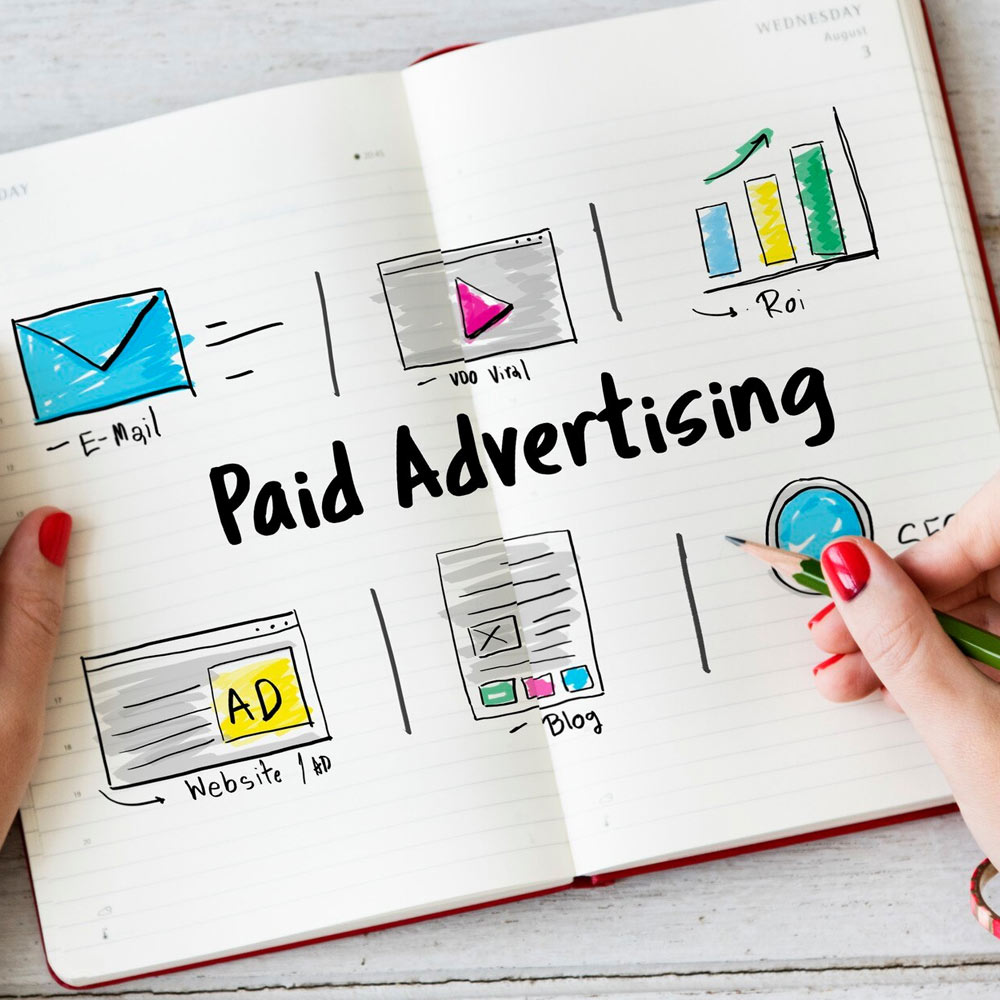
Paid Search Marketing That Converts Clicks Into Customers
We bring deep, functional expertise, but are known for our holistic perspective: we capture value across boundaries…
Multi-Channel Marketing That Connects Traditional and Digital
We bring deep, functional expertise, but are known for our holistic perspective: we capture value across boundaries…

SEO Strategies That Drive Organic Traffic and Conversions
We bring deep, functional expertise, but are known for our holistic perspective: we capture value across boundaries…
Social Media Marketing That Builds Engagement and Trust
We bring deep, functional expertise, but are known for our holistic perspective: we capture value across boundaries…

Data-Driven Marketing: Turning Analytics Into Measurable ROI
We bring deep, functional expertise, but are known for our holistic perspective: we capture value across boundaries…
